Staying focused isn't always about trying harder.
Some days you settle into deep concentration almost immediately. Other days it takes longer to eliminate distractions and find your rhythm. The same person may experience both, depending on the task, the time of day, or simply how they're feeling.
That's why many people use focus sessions. Rather than trying to work indefinitely, focus sessions encourage you to set aside dedicated time for a single activity before taking a break or moving on to something else.

Some people prefer shorter sessions with regular breaks. Others find they do their best work during longer periods of uninterrupted concentration. The goal isn't to follow someone else's routine perfectly. It's to discover a rhythm that helps you stay engaged while avoiding mental fatigue.¹
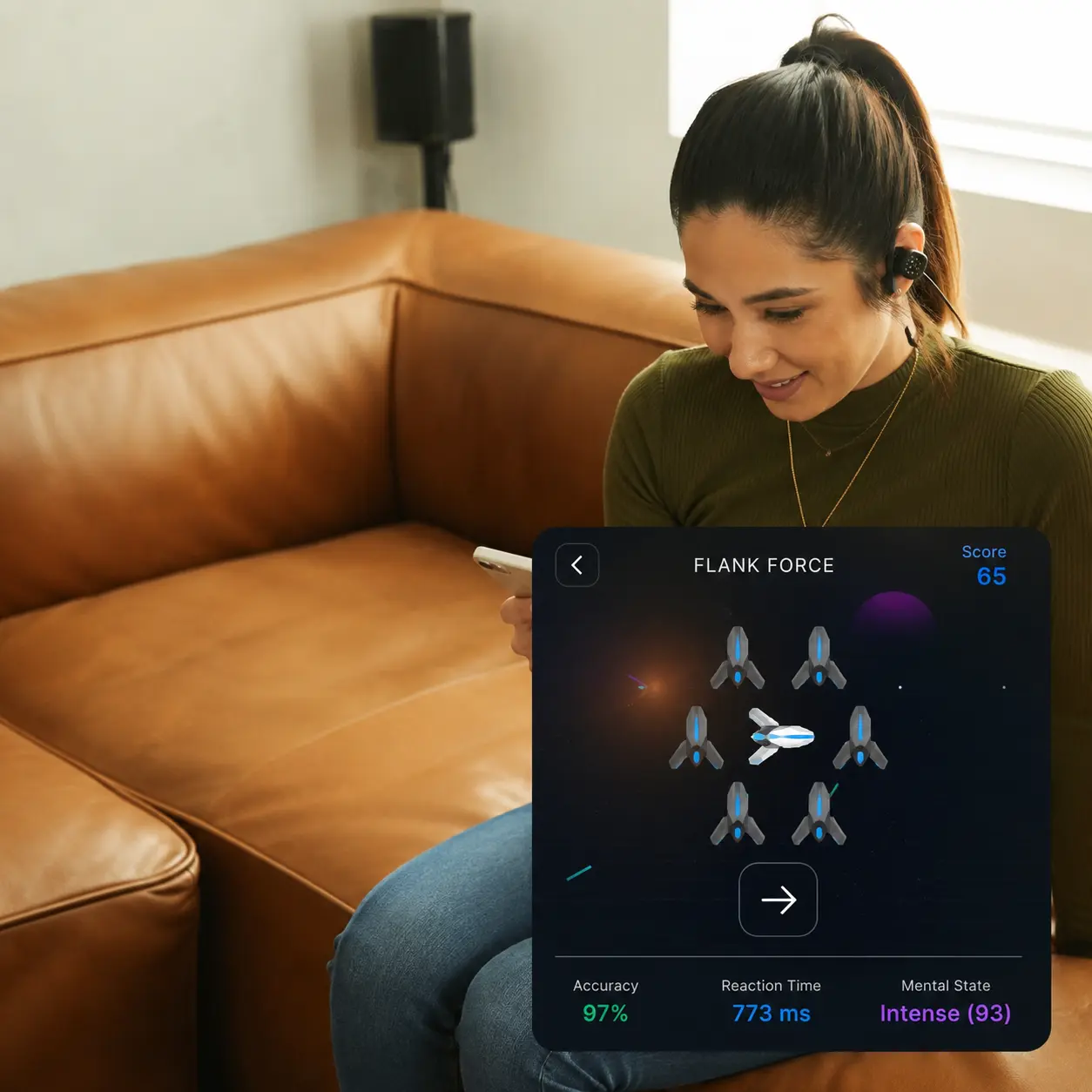
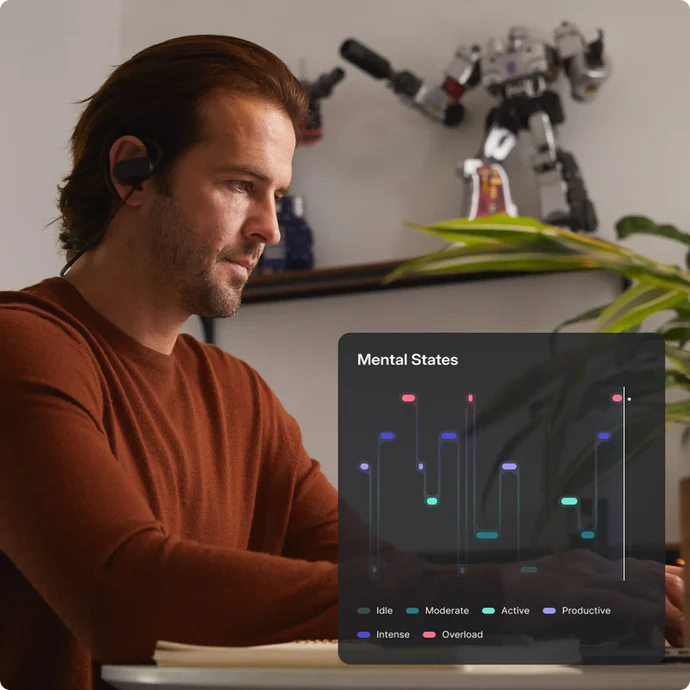
Brainwear includes several focus session types that let you experiment with different approaches. As you try them, your Mental States provide another perspective on how your brain responds during each session, helping you observe patterns that may not be obvious from the timer alone.
Key Takeaways
Focus sessions create dedicated time for a single task with fewer distractions.
Different focus methods work better for different people and different types of work.
Experimenting with session length can help you discover what feels most natural and sustainable.
Brainwear helps you observe your Mental States during intentional focus sessions, providing additional context alongside your own experience.
Reflecting on your sessions over time can help you build a routine that works for you.
Why Use Focus Sessions?
Modern life is full of interruptions.
Notifications, emails, conversations, and the temptation to multitask can make it difficult to stay engaged with a single task. Even brief interruptions can increase mental effort as your brain works to regain its place.²
Focus sessions create intentional time for uninterrupted work.
Whether you're studying, writing, designing, coding, reading, or learning a new skill, dedicating time to one activity can help reduce unnecessary distractions and support sustained attention.
Rather than asking yourself to stay focused all day, focus sessions encourage you to be fully present for one meaningful period of work.
Find the Rhythm That Works for You
There isn't a universally "correct" session length.
Some focus methods recommend shorter work periods with frequent breaks. Others encourage longer sessions before stepping away to recharge.
The best approach often depends on the type of work you're doing and how you naturally settle into focused attention.
For example:
Reading a research paper may require a different rhythm than writing one.
Creative projects often benefit from uninterrupted momentum.
Learning a new skill may feel easier with more frequent breaks.
Administrative tasks may naturally fit into shorter sessions.
Experimentation is part of the process.
The goal isn't to follow a timer perfectly. It's to discover a focus rhythm that feels effective and sustainable for you.
Choose a Moment That Matters
Brainwear is designed for intentional sessions.
Whether you're preparing for focused work, taking a guided breathing break, practicing a new skill, or exploring a different focus method, setting aside dedicated time can help you better understand how your Mental States respond during different activities.
Instead of trying to capture every moment of your day, Brainwear helps make intentional moments more meaningful.
Observe More Than the Timer
A timer tells you how long you've been working.
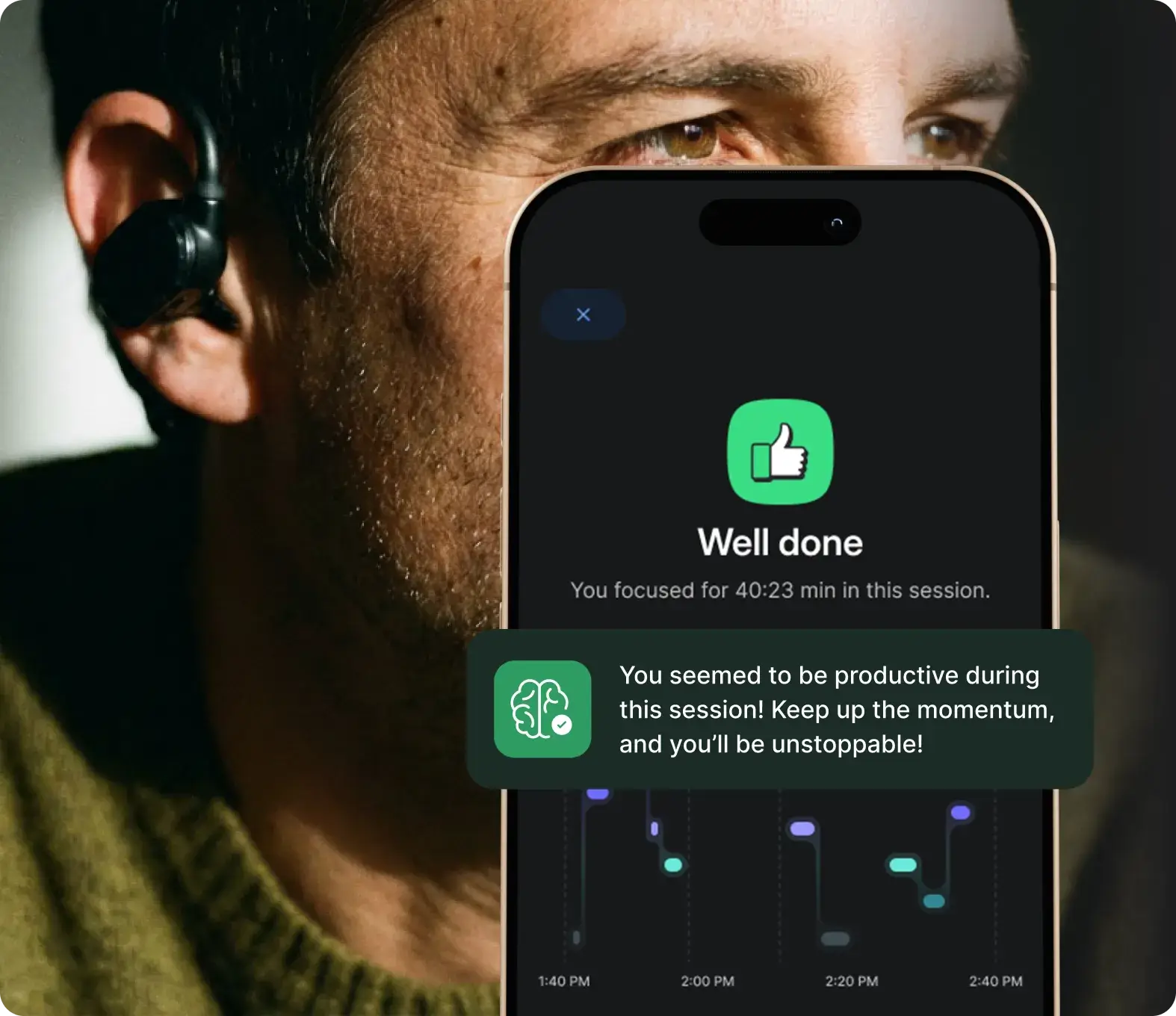
Brainwear adds another perspective by helping you observe your Mental States throughout your session.
Rather than asking whether today's session was "good" or "bad," you can begin asking more useful questions.
Did your Attention remain steady throughout the session?
Did the task become more mentally demanding over time?
Did your break leave you feeling refreshed?
Would a different session length feel more natural next time?
These observations don't provide all the answers, but they can help you better understand how your brain responds during different types of work.
Over time, those patterns can help you make more informed decisions about how you prefer to work.
Explore Different Focus Methods
Brainwear includes several focus session types, each supporting a different way to structure your work.
Focus Sessions for flexible, self-paced work
Pomodoro Technique for structured work and break intervals
Time Blocking for planning your day around dedicated tasks
52/17 Method for longer work sessions with intentional recovery
Many people find they use different methods depending on the task, their energy level, or the amount of uninterrupted time they have available.
Reflect on Your Session
After completing a few focus sessions, take a moment to reflect.
Ask yourself:
How long did it take to settle into focused work?
Did your Attention remain steady throughout the session?
When did the task begin to feel more mentally demanding?
Did your break leave you ready to continue?
Would a shorter or longer session feel better next time?
There are no right or wrong answers.
The goal isn't to find the perfect timer. It's to discover a rhythm that supports the way you work.
Find Your Focus
Everyone works differently.
Some people thrive with shorter, structured sessions. Others do their best work when they have enough uninterrupted time to build momentum.
Brainwear helps you explore those differences by combining intentional focus sessions with insights from your Mental States. Over time, you can recognize patterns, experiment with different approaches, and build a focus routine that fits your own way of working.
References
Diamond A. Executive functions. Annual Review of Psychology. 2013;64:135-168.
Mark G, Gudith D, Klocke U. The cost of interrupted work: More speed and stress. Proceedings of the SIGCHI Conference on Human Factors in Computing Systems. 2008:107-110.
Emotiv is a neurotechnology leader helping advance neuroscience research through accessible EEG and brain data tools.
H.B. Duran